


Rembrandt Van Rijn
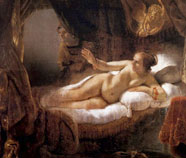
When considering new decorations for your home or office, there are a variety of different decorations that can bring color to the room. In order to bring elegance and sophistication into the room, choosing one of the famous Rembrandt Paintings will not only add style to your room, but will capture a small piece of history on your wall so that you can display the beauty for your family and guests to see.
Rembrandt is absolutely one of the greatest artists that Holland had to offer it the Golden Age. Rembrandt is a painter of Dutch origins, and is highly regarded as one of the elite few that makes it into the top painters that Europe has ever had to offer, and is considered even more highly in Dutch art history. Rembrandt (full name Rembrandt Harmenszoon van Rijn) was brought into the world in 1606, and was raised in Leiden, the Netherlands. Out of all 10 of the children in his family, he was the fourth out of 6 who actually survived after birth. Once born, he was treated to the higher class life, as his father was a hard-working miller and his mother was the daughter of a well-known baker. Once Rembrandt caught hold of art, he never let it go and studied as an apprentice under Pieter Lastman for a short time. This apprenticeship was incredibly important for the future Rembrandt Paintings and led him to create his own style of vivid colors and worldly ideas.
After moving to Amsterdam in 1631, Rembrandt began his incredible line of Rembrandt Paintings in his own studio who he created with the help of Hendrick van Uylenburgh, a well-known art dealer. Much of his beginning work never found its way to fame during his lifetime, and when 1640 came, the Rembrandt Paintings began to become less vivid and exuberant, and much more somber and simple. Much of his work from this point on was simply etched, but never finished. and over the years he held on to most of his work in order to sell it in the future. In the late 1640s, the lack of demand for his work began to create a lack of finances, and Rembrandt found new ways to lighten up his paintings as well as inspire thought within those who viewed them.
This innovative spirit kept him afloat until he died, but his paintings found their biggest fame after his death, becoming the model for many painters to come.


