


Abstract Art
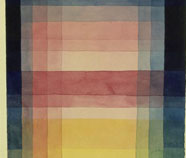
For one reason or another, abstract art paintings have gotten a reputation of being the kind of art that "not many people understand." This could be due to the fact that abstract art is different from the more traditional art, which normally provide a more accurate depiction of the subject matter.
Because abstract art deviates from the norm, this type of art had encountered resistance in its early stages. This is not to say, however, that abstract art has been present only during the modern times. It should be noted that abstract art has been present in even the oldest eras of art, only seen through a different medium.Numerous research and discoveries have shown that abstract art had existed in pre-historic culture. They were mostly images or symbols engraved onto pottery or rock. Even Chinese calligraphy during the earlier times depicted abstract art.
In the 19th century, we saw the rise of three major art movements – Expressionism, Impressionism and Romanticism. During this period, artists began to find their voice- they learned to become independent in terms of their styles.They began to create work that was more subjective rather than objective. Their art did not literally depict an object or a scene visually, but began to incorporate sensations and differing visual interpretations. They also learned to create paintings with bright, screaming colors, to further depict emotions in a more tangible sense.
By the time the 20th century came around, the artists became more sophisticated in creating abstract art paintings. This was the era of Pablo Picasso, Henri Matisse and Cezanne. Artists began to experiment during this period and yielded these delightful abstract art paintings.
Abstract art paintings are usually depicted by bright colorsand often the presence of various shapes and lines. Many believe that abstract art is a freestyle type of art, but many art experts know that there are limits to this. They recognize a painting that has lost control of its art, and they know when shapes, colors, and lines are more deliberately included. Contrary to what others say that abstract art is an "acquired taste," it should be noted that good or excellent abstract art paintings make a lot of sense, and are not just paintings with intersecting shapes or lines. These hodgepodge of elements combine to form a painting that evokes an emotion.
The next time you spot an abstract art painting, take a moment to absorb how all the elements work together to provide an image that makes sense despite the seemingly random elements put together.


